
Home Staging Guide · Northeast Florida
How Much Does Home Staging Cost?
Home staging costs can vary widely depending on whether the property is occupied or vacant, how many rooms need attention and how long rental furnishings are needed.
This guide explains the major costs involved, what typically affects the price and how to decide what level of staging makes sense for your home.
Last updated: 6 September 2026. Written by Becky Kampmeyer, Beck & Co Design, Nocatee, Ponte Vedra, FL 32081.

The Short Answer
Occupied staging is usually the less expensive option because the designer works primarily with furniture and decor already in the home. Vacant staging costs more because furniture, rugs, art, lighting and accessories need to be brought into the property and typically remain there throughout the listing period.
The actual cost depends heavily on the size of the home, the number of rooms being staged, the amount of furniture required and how long the staging remains in place.
Typical industry costs
Nationally, the National Association of REALTORS® 2025 Profile of Home Staging puts the median amount sellers spent on staging a home at $1,500. That figure blends brief consultations with full vacant installations across every price point in the country, so it is a useful reference point rather than a quote for any particular property.
Industry averages are not Beck & Co pricing. See what Beck & Co staging costs below.

What Does Beck & Co Staging Cost?
Every property is different. The cost depends on whether the home is occupied or vacant, how many spaces need attention and, for vacant staging, how much furniture is required and how long it will remain in the home.
Send us the property address and a few photos and we can help determine what level of staging makes sense.
Occupied Home Staging
Occupied staging starts with what is already in the home. Instead of bringing in an entire house of furniture, the focus is usually on improving layout, reducing visual clutter and making the strongest use of the homeowner’s existing furnishings.
That might include rearranging furniture, removing unnecessary pieces, adjusting art and accessories, improving bedding and styling, or recommending a small number of additions before photography.
In practice this is mostly subtraction. Roughly a third of the objects come out of each room, the layout changes so the camera has a clean line through the space, and closets are thinned so they read deep rather than full. It is the cheaper of the two jobs and often the harder one, because the seller lives in the result until the house sells.
What affects the cost?
- Size of the home
- Number of rooms being reviewed
- Amount of styling required
- Whether additional furnishings or accessories are needed
- Whether additional visits are required before photography
Vacant Home Staging
Vacant staging is a larger undertaking because the rooms need to be furnished from scratch. Furniture, rugs, lighting, art and accessories are selected and installed to establish scale, show how the rooms function and make the home feel welcoming in photographs and in person.
Most vacant homes do not necessarily need every room staged. Focusing on the spaces that matter most can often create the impact buyers need without furnishing the entire property.
The largest line on a vacant staging invoice is usually the furniture itself, rented by the month rather than bought. That is why two identical floor plans can be quoted differently: the number of rooms that have to photograph and the length of the rental period move the total more than square footage does.
What affects the cost?
- Size and price point of the property
- Number of rooms being staged
- Amount and type of furniture required
- Delivery and installation requirements
- Length of the furniture rental period
- Extensions if the property remains listed longer than expected
| Home size | Rooms a vacant plan usually covers first |
|---|---|
| Under 1,800 sq ft | Living area, primary bedroom, and the dining or eat-in space |
| 1,800–2,500 sq ft | The above, plus the entry and a secondary bedroom or office |
| 2,500–3,500 sq ft | Four to six rooms, often including a flex room or loft |
| Over 3,500 sq ft | Six or more, and frequently a covered lanai |
What Drives the Cost Up or Down?
Square footage matters less than people expect. Room count matters most. In rough order of impact:
- Room count. Not how many rooms exist — how many have to photograph. A five-bedroom house often needs four rooms installed, not eleven.
- Rental period. Furniture bills by the month. Under contract in three weeks or sitting through a slow season: the same install, a different invoice.
- Ceiling height. Two-storey coastal great rooms take oversized art, tall lamps and larger case goods. Standard-scale pieces look undersized in them.
- Access. Gated communities, long stairs, tight lot roads and third-floor lofts all add labour on the install, and again on the removal.
- Delivery distance. How far the inventory has to travel to reach the property.
- What you already own. Every good piece kept is a piece nobody has to rent. This is the biggest lever on an occupied job.
Do You Need to Stage Every Room?
Usually, no.
The most important spaces are generally the rooms that help buyers understand how the home lives — particularly the main living area, dining space, kitchen and primary bedroom. The National Association of REALTORS® 2025 Profile of Home Staging reports the same pattern in practice: the living room is the most commonly staged room at 91%, the primary bedroom next at 79%, then the kitchen. That is a measure of how often agents chose to stage those rooms, not a claim about what any one room does to a sale price.
Other rooms may be worth staging when their purpose or scale is difficult to understand while empty. An unusual bonus room, oversized loft or small bedroom can sometimes benefit more from staging than a straightforward secondary bedroom.
Secondary bedrooms often need only a bed and a lamp, because an under-furnished bedroom still reads as a bedroom while an empty one reads as a storage problem. Garages, closets and laundry rooms get cleaned rather than staged.
The right approach depends on the property. The goal is not to fill every room. It is to spend the staging budget where it will make the biggest difference.
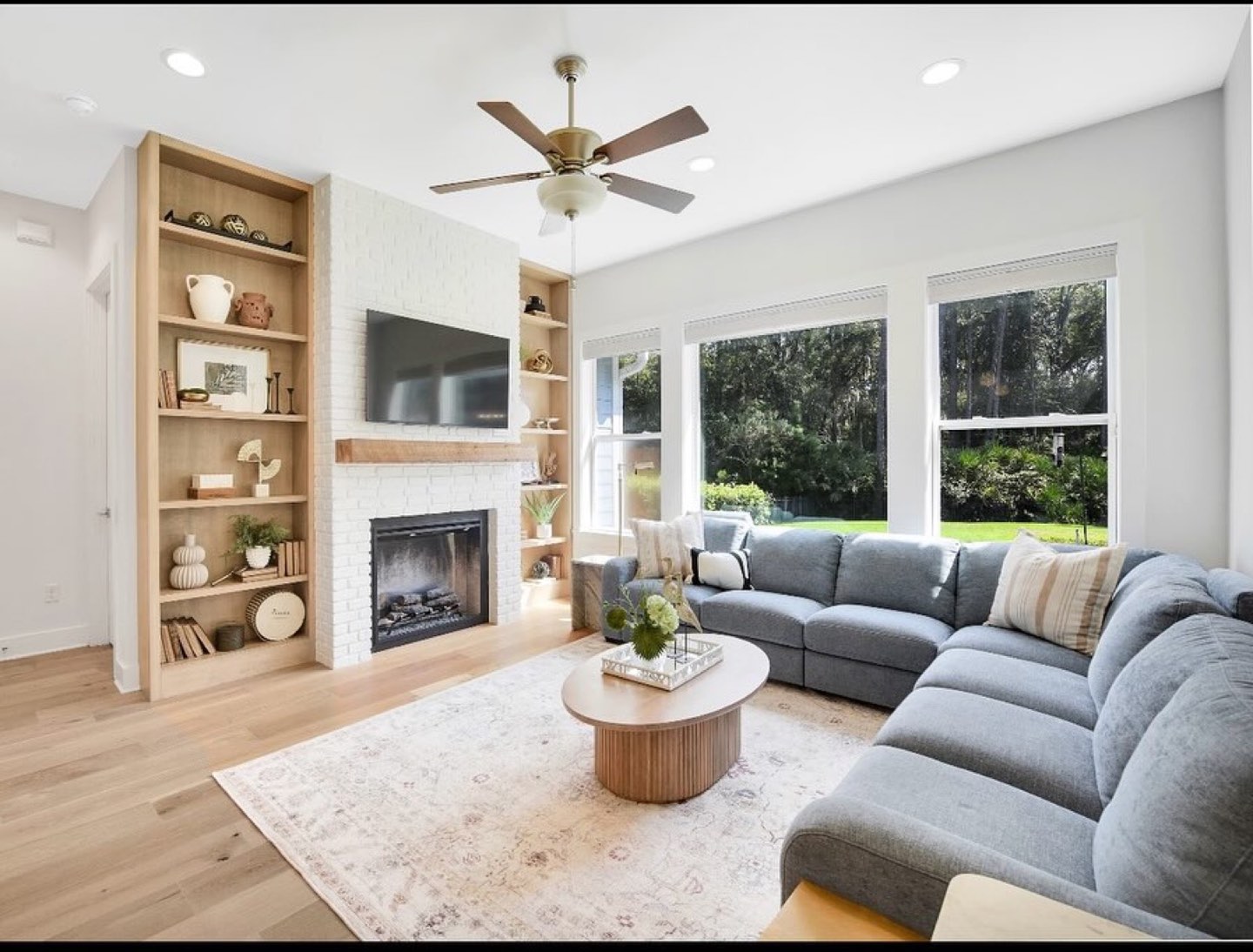
Why Can an Empty Home Be Harder to Understand?
Without furniture, buyers have fewer visual references for scale. A room that looks small while empty may comfortably fit a full seating arrangement, while an unusually large room may leave buyers unsure how to use the space.
Furniture gives those rooms context. It helps show where a sofa fits, how a dining area functions or whether a bedroom comfortably accommodates the expected furniture.
Staging also changes how a property photographs. Online listing photos are often the buyer’s first experience with a home, so establishing scale and warmth before photography can be particularly valuable.
This is why new construction is often a candidate for staging even though nothing is wrong with it. An empty new build photographs as a floor plan rather than as a house, and a buyer standing in a two-storey great room cannot judge whether it takes a sectional or a pair of sofas. One counter-case is worth naming: if the builder is still selling a decorated model nearby, buyers already have a furnished version in mind, and that is worth settling before anyone rents a sofa.
Home Staging vs. Interior Decorating
Interior design is personal. Home staging is strategic.
When designing a home for someone who lives there, the goal is to reflect that person’s taste and lifestyle. When staging a home for sale, the goal is to make the property easy for a broad range of buyers to understand and imagine themselves living in.
That usually means simplifying rather than adding more.
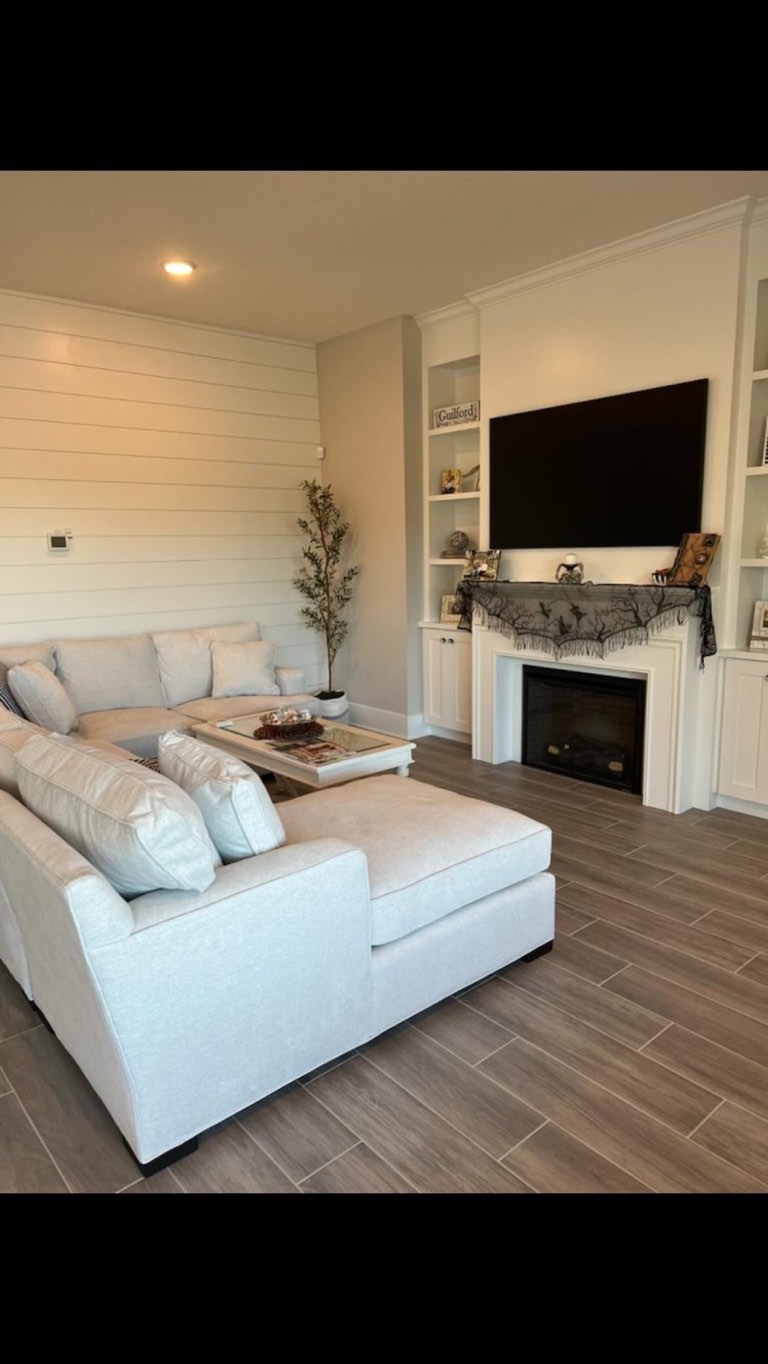
Is Home Staging Worth the Cost?
Whether staging makes financial sense depends on the property, the local market, the home’s condition and what is preventing it from showing at its best.
For some homes, a staging consultation and a few changes using existing furniture may be enough. For others — particularly vacant homes or properties with rooms that are difficult to understand — a more complete staging plan may be worthwhile.
The evidence is narrower than the marketing around it. In the National Association of REALTORS® 2025 Profile of Home Staging, 49% of sellers’ agents reported that staging reduced a home’s time on market, and 29% reported a 1–10% increase in the dollar value buyers offered. Those are agents reporting their own impressions, not a controlled comparison of the same house staged and unstaged, so they describe a pattern rather than a guaranteed result.
You will also see figures such as “staged homes sell 73% faster” or “up to 91% faster” repeated across staging websites. Those originate from within the staging industry, are not traceable to a published methodology, and are not supportable. It is reasonable to ask anyone quoting a number like that where it comes from.
The right question isn’t simply “Should I stage?” It’s “What does this particular home need before buyers see it?”
When Staging May Not Be the Right Spend
Staging is not the answer when the house has a problem furniture cannot solve. The cases that usually warrant a no, or a not yet:
- The price is the problem. If a home is listed above what comparable sales support, no amount of furniture corrects that. Money spent on a price adjustment works; money spent on top of a price that is wrong does not.
- A major system is at the end of its life. A roof, an HVAC system or a kitchen dated down to the cabinet boxes will be found at inspection regardless of how the rooms look.
- The land is worth more than the house. If a property is being bought for the lot, furnishing the structure does not change the calculation.
- The home is already furnished well. Some occupied homes need a walkthrough, a couple of hours of editing and nothing more.
- The market is moving in days. If comparable homes nearby go under contract in a weekend, a multi-month rental term has nowhere to land.
How to Get the Most From Your Staging Budget
You don’t necessarily need to stage more. You need to stage the right things.
Start With the Rooms Buyers Notice First
Prioritise the spaces that define the home and appear prominently in listing photos.
Use What Already Works
In an occupied home, good existing furniture should not be replaced simply for the sake of replacing it.
Remove Before You Add
Sometimes taking away furniture and accessories improves a room more than bringing in additional pieces.
Solve Confusing Spaces
Put staging dollars toward rooms where buyers may struggle to understand the scale or purpose.
Plan Before Photography
Make staging decisions before the photographer arrives so the listing launches with the strongest possible images.
Home Staging in Northeast Florida
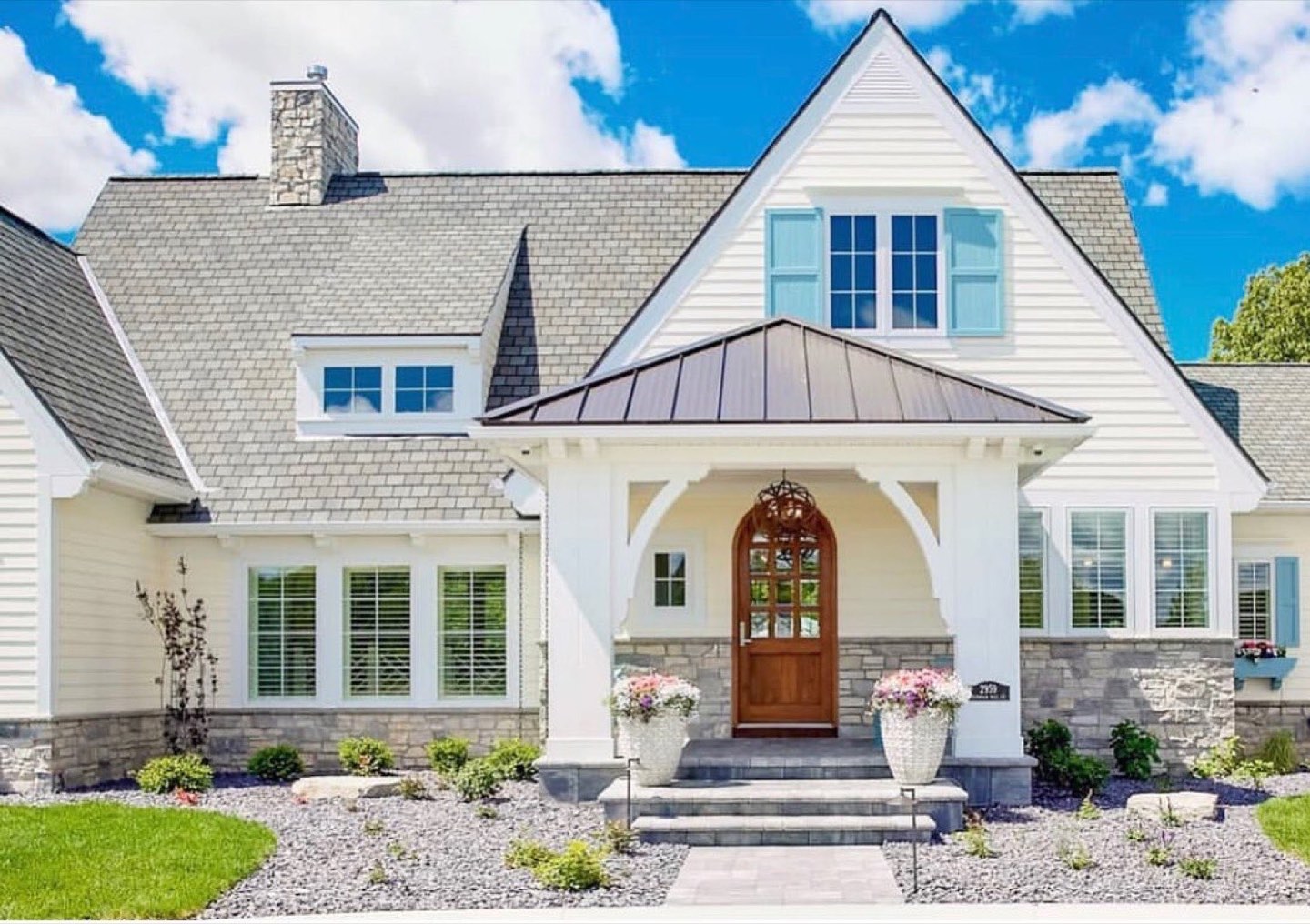
Beck & Co works with homeowners and Realtors throughout Ponte Vedra Beach, Nocatee, Sawgrass, St. Augustine, Jacksonville Beach and surrounding Northeast Florida communities.
Homes across these areas vary considerably — from established properties being updated for market to newer homes competing with similar floor plans nearby. The staging approach should respond to the individual property rather than relying on the same formula for every listing.
Home Staging Cost Questions
How much does it cost to stage a house?
There is no single price. Occupied staging may involve primarily a consultation and styling, while vacant staging can include furniture rental, delivery, installation and ongoing rental costs. Property size and the number of rooms being staged have a significant effect on the total.
Is vacant staging more expensive than occupied staging?
Generally, yes. Vacant staging requires furnishings and accessories to be brought into the property, while occupied staging can often work primarily with what the homeowner already owns.
Do I need to stage the entire house?
Usually not. The goal is to focus the staging budget on the rooms that have the greatest effect on how buyers understand and experience the property.
How long does staging furniture stay in the home?
That depends on the staging agreement and how long the property remains on the market. Vacant staging proposals should clearly explain the initial rental period and the cost of extensions if additional time is needed.
Should staging happen before listing photos?
Yes. If a home is going to be staged, the staging should generally be completed before professional listing photography so the online presentation reflects the finished spaces.
Source: National Association of REALTORS®, 2025 Profile of Home Staging.
See how home staging works with Beck & Co Design, browse recent rooms in the portfolio, or read the companion guide on what it costs to furnish a vacation rental.
Getting Ready to List?
Send us the property address, a few photos and tell us whether the home is vacant or occupied. We’ll take a look and help you figure out what level of staging makes sense.